
Churches and sanctuaries · Novella · Val di Non
Chiesa di Santo Stefano
A document of 1320 states that it already existed before 1106.
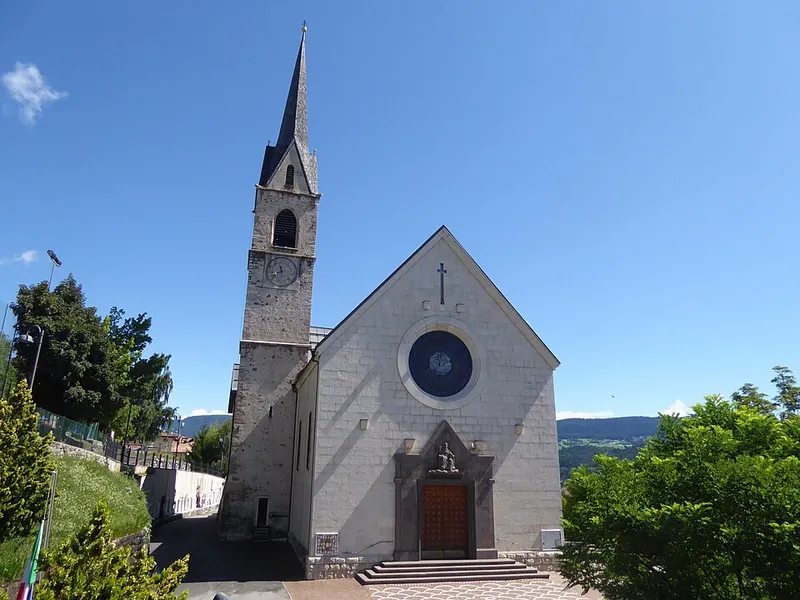

The pieve of Cloz appears for the first time in documents of 1183. A second reference, dated 1320, mentions it together with the pieve of Revò and describes it as already existing at the time when the diocese of Trento was ruled by the prince-bishop Adalberone, between 1084 and 1106.
Nothing is known about the original building: neither its appearance, nor its size, nor the exact date of construction. In the first half of the fifteenth century it was almost certainly rebuilt, and the solemn consecration was celebrated, once the works were complete, in 1451, by the suffragan bishop Albertino da Tridino.
In the second half of the sixteenth century the fifteenth-century church was again in poor condition, and the religious authority was asked for permission to restore it and rebuild it in part.
- First reference
- 1183
- Consecration
- 1451
- Dedicated to
- Stefano
- Protection
- Italian cultural heritage
Trails that pass through here
- A44Route A44E3.5 kmabout 150 m away
From the register of alpine trails of the Autonomous Province of Trento. © SAT.